Video safety

Is Hailuo AI Safe to Use for Your Next Video?

There is no blanket yes for every prompt, upload, or audience. Before using Hailuo, consider what you submit, whether you have permission to use it, and how viewers might interpret the resulting video.

3 misconceptions about Hailuo safety

A polished clip is not proof that its source material was permitted, its claims are accurate, or its submission was private. These distinctions matter more than the visual quality of the result.

What it actually is

Hailuo is associated with AI-generated video. A video-generation workflow can help develop visual concepts, but it does not independently verify rights, consent, factual accuracy, or suitability for publication.

No automatic permission

A prompt or reference image involving someone else's face, artwork, or brand does not grant you the right to use it. Hailuo output does not replace permission from the relevant person or rights holder.

Workaround

Use original or licensed material and retain records of permission.
No factual guarantee

A convincing scene may depict an event that never happened. Do not treat generated footage as evidence, even when details look realistic.

Workaround

Label fictional scenes clearly and verify claims through independent sources.

No universal privacy promise

The safety of a submission depends partly on current service terms and handling practices, which this page cannot verify for every account or workflow.

Workaround

Check the provider's current policies before submitting sensitive material.

Boundary conditions

A short review before and after generation makes Hailuo easier to use responsibly without assuming that the tool has checked everything for you.

  1. 1

    Screen the input

    Remove passwords, private addresses, unreleased business information, and identifiable details you do not need. For a real person's likeness, confirm consent before providing an image or description.

  2. 2

    Review the result

    Watch for unintended resemblance, false implications, copied-looking elements, and details that change the meaning of your original idea. Regenerate or discard a clip that creates those problems.

  3. 3

    Check the destination

    Before publishing Hailuo content, consider the audience and the platform's rules. Add context when a realistic scene could be mistaken for authentic footage.

When NOT to use it

Do not submit material you are not allowed to share, or publish a realistic depiction that could harm someone if mistaken for a recording. The safer alternative is often to change the concept, not merely the prompt.

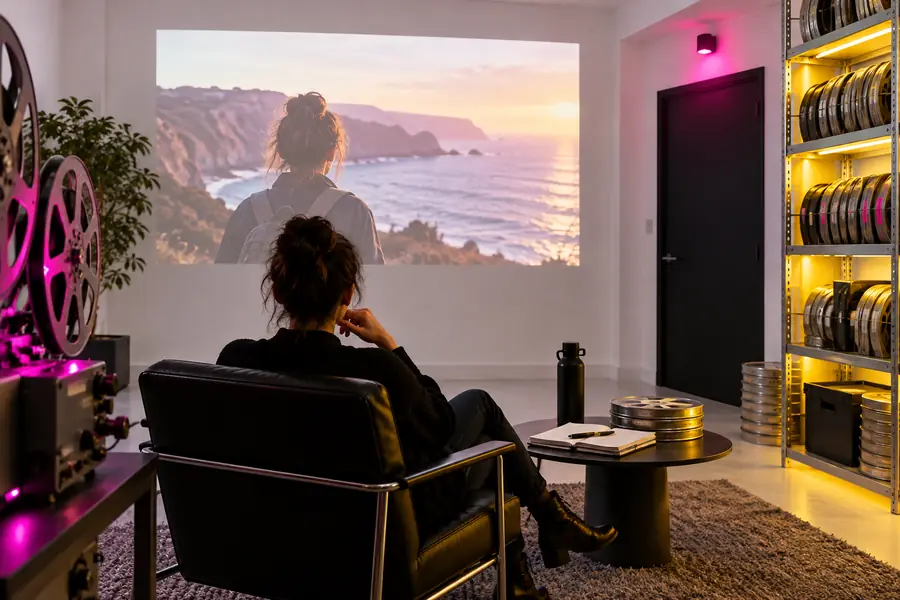
Illustration accompanying a video safety review Unreviewed concept
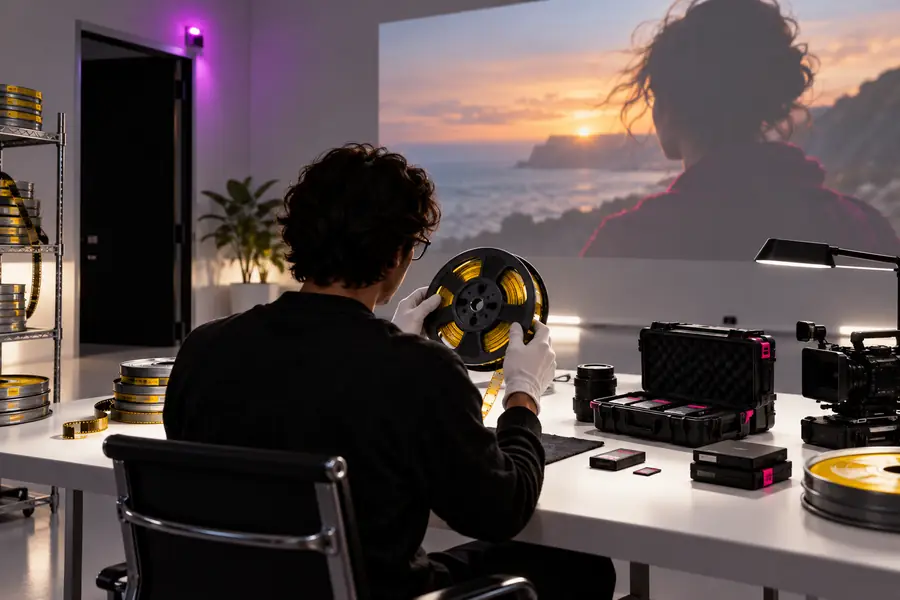
Illustration accompanying a video privacy review Privacy-first concept
Conceptual comparison, not a demonstration of Hailuo output or a claim that either image has been safety-checked.

Misconceptions versus safer decisions

Use this table to turn common assumptions into specific checks. None of the safer practices guarantees that a particular Hailuo video is appropriate to publish.

Risky assumption
Safer practice

Realistic footage

Risky assumption

If it looks real, it must be accurate.

Safer practice

Treat generated scenes as synthetic unless independently verified.

Public images

Risky assumption

An image found online is available to upload.

Safer practice

Check permission, licensing, and the subject's consent.

Prompt text

Risky assumption

A short prompt cannot contain sensitive data.

Safer practice

Remove names, identifiers, and confidential details.

Private drafts

Risky assumption

A draft is automatically confidential.

Safer practice

Read the current data-handling terms before submitting it.

Generated likeness

Risky assumption

A synthetic face cannot affect a real person.

Safer practice

Check whether viewers might identify or mistake it for someone.

Publishing

Risky assumption

Generating a clip makes it acceptable to post.

Safer practice

Review audience impact and the destination platform's rules.

Different projects, different checks

The most important safeguard depends on what your Hailuo project depicts and where it will appear.

Personal storyteller

You want to animate a family photograph.

Ask the people shown for permission and decide what should remain off-platform before uploading.

are hailuo ai videos private

Research-minded creator

You are weighing conflicting claims about a video provider.

Separate documented policies from testimonials and revisit the evidence when terms change.

is hailuo ai trusted

Visual designer

You want motion based on an existing image.

Confirm that your source image is yours to use before exploring the image-to-video workflow.

hailuo ai image to video generator

Create with a review plan

Keep the creative idea; reduce the avoidable risk

If your concept uses permitted source material and avoids sensitive information, you can explore video creation with a clearer review process. Check the destination service's current terms and controls before submitting anything, then inspect the result before sharing it.

Explore video creation
  • Use material you have permission to submit
  • Keep confidential details out of prompts
  • Review the clip before publication

FAQ

Safety depends on your inputs, the current service policies, and what you do with the output. For a lower-risk Hailuo workflow, use permitted material, avoid sensitive information, and review each clip before sharing it.

Look for personal identifiers, confidential information, and instructions that might depict a real person without consent. Replace unnecessary specifics with fictional or generic details, and check the service's current terms if the material is sensitive.

Get appropriate permission before submitting someone else's likeness, particularly if the result could suggest they said or did something they did not. Permission to possess a photo is not necessarily permission to create or publish a generated video from it.

Watch the entire result for misleading details, unwanted resemblance, and material you lack rights to use. If viewers might mistake a fictional event for real footage, provide clear context or do not publish it.

Start creating
Start creating